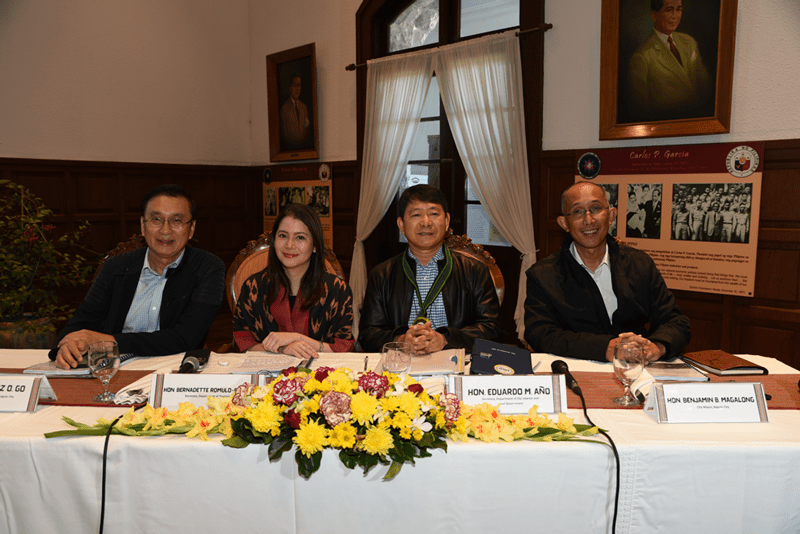
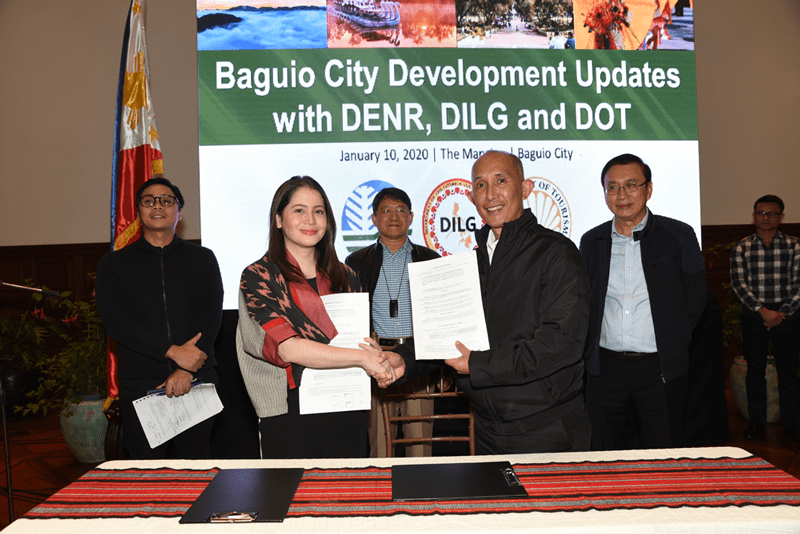
DOT Secretary Bernadette Romulo-Puyat arrived in Baguio City on January 10, 2020, to monitor the progress of the City of Pines’ long-planned rehabilitation project.
The DOT, the DENR, and the DILG formed an inter-agency task force to discuss the progress of Baguio City’s restoration program. Following up on the success of the Boracay and Manila Bay rehab programs, this inter-agency partnership is now underway.
A significant concern here is calculating how many tourists can be accommodated without hurting the environment while meeting visitors’ expectations and maintaining local traditions and customs. There are an estimated 370,000 people in the city of Baguio, and approximately 800,000 tourist arrivals were recorded from January to September 2019.
To reconstruct Burnham Park, the Department of Tourism will work with its investment arm, the Tourism Infrastructure and Enterprise Zone Authority (TIEZA).
There are serious concerns that have been raised over Baguio City. It is seemingly unabated urban development and overtourism, leading to big-city problems like traffic, overcrowding, water shortages, and growing pollution.
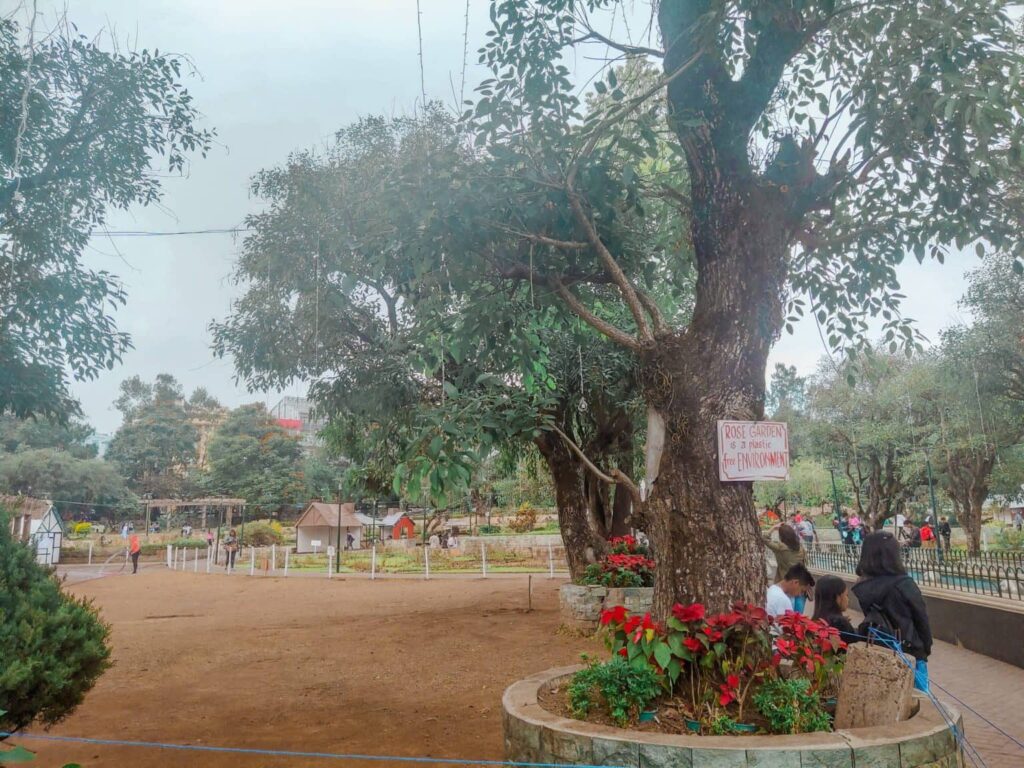
One of the biggest issues here is establishing the appropriate number of tourists that can be accommodated without harming or affecting the environment while meeting the expectations of the visitors and honouring the requirements, and conserving the culture of the people. Nearly 800,000 tourists visited Baguio City between January and September of this year alone, according to the city’s population of 370,000.
Rehabilitating Burnham Park will begin with a 480 million peso (PHP 480 million) investment from the DOT and the TIEZA.
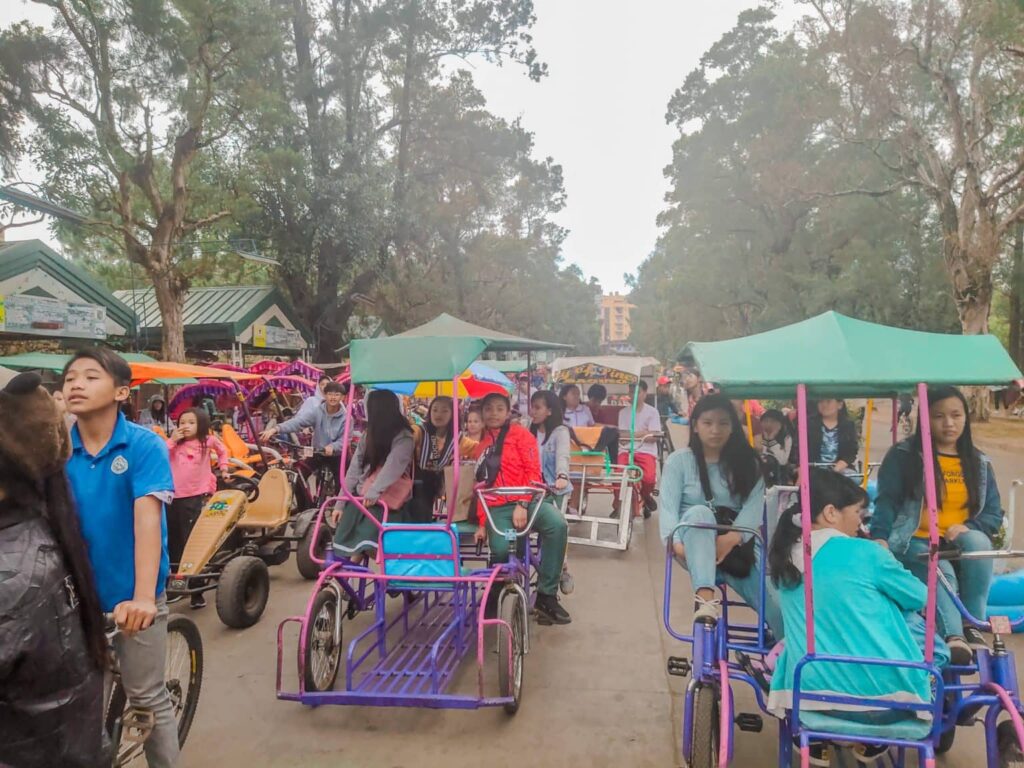
In accordance with the Memorandum of Understanding, funds will be awarded to:
- Hardscape and softscape; lighting and electrical;
- Building a viewing platform and a boat dock
- Planters on the terrace; repair of the observation deck
- Improvements to Burnham Lake’s plant boxes
- Soft and hard landscapes
- Construction of a gazebo and a restroom
- Construction of a children’s play area includes the installation of new equipment.
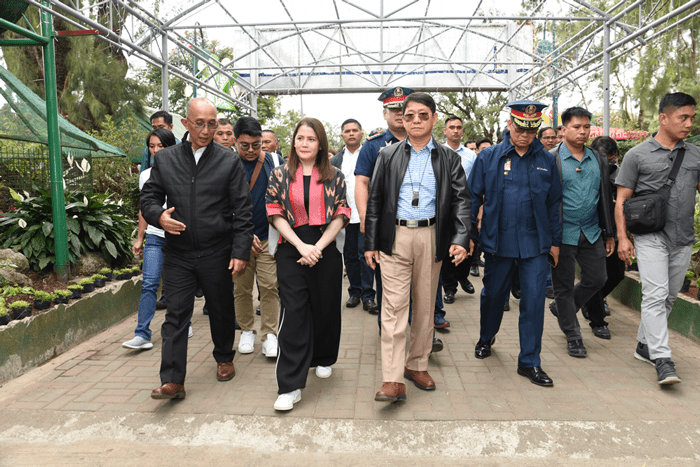
This includes reviving and protecting its ecological health, ensuring correct land use and zoning, creating a wastewater treatment plant; improving street lights and pedestrian spaces; building efficient road networks; and modernizing transportation infrastructure. These initiatives aim to showcase and conserve the Cordillera’s vibrant culture and distinctive artistic style.
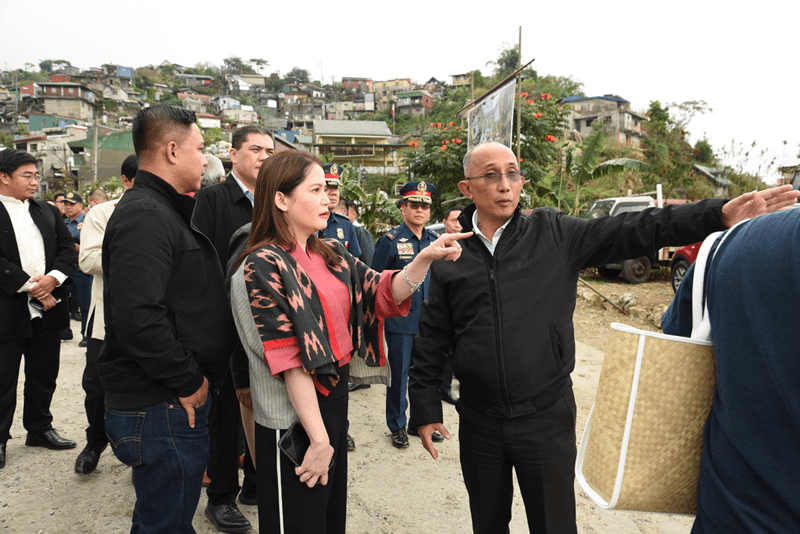
This, we believe, is only the BEGINNING. For Baguio to become yet another shining example of sustainable development while also recapping its former glories, we hope that more sustainable tourism initiatives will be implemented in the coming months.
TOP BAGUIO PLACES TO BE REHABILITED:
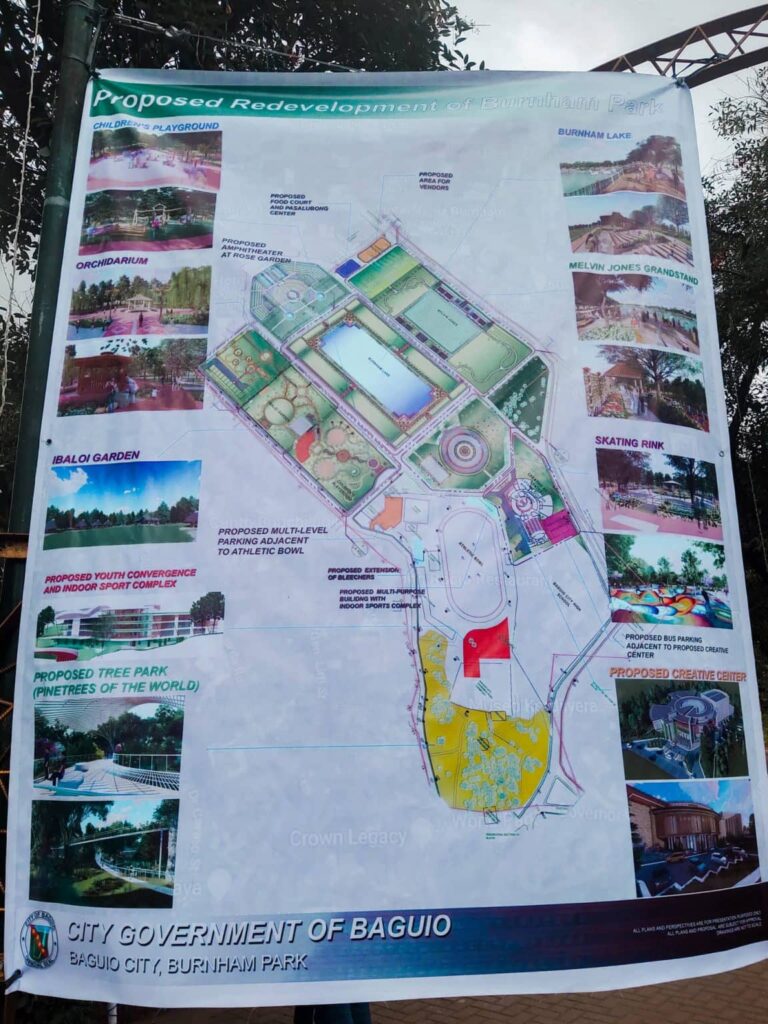
Burnharm Park
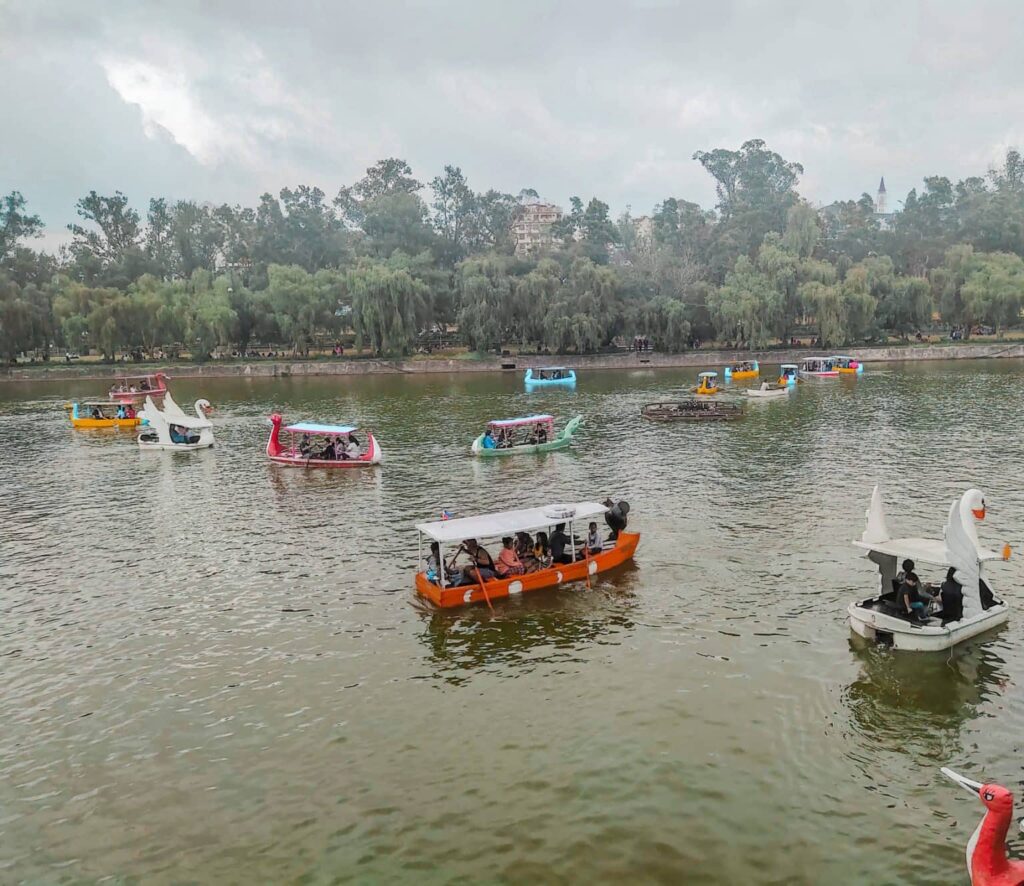
Here’s the proposed redevelopment of Burnharm Park.
Minesview Park
Balili River
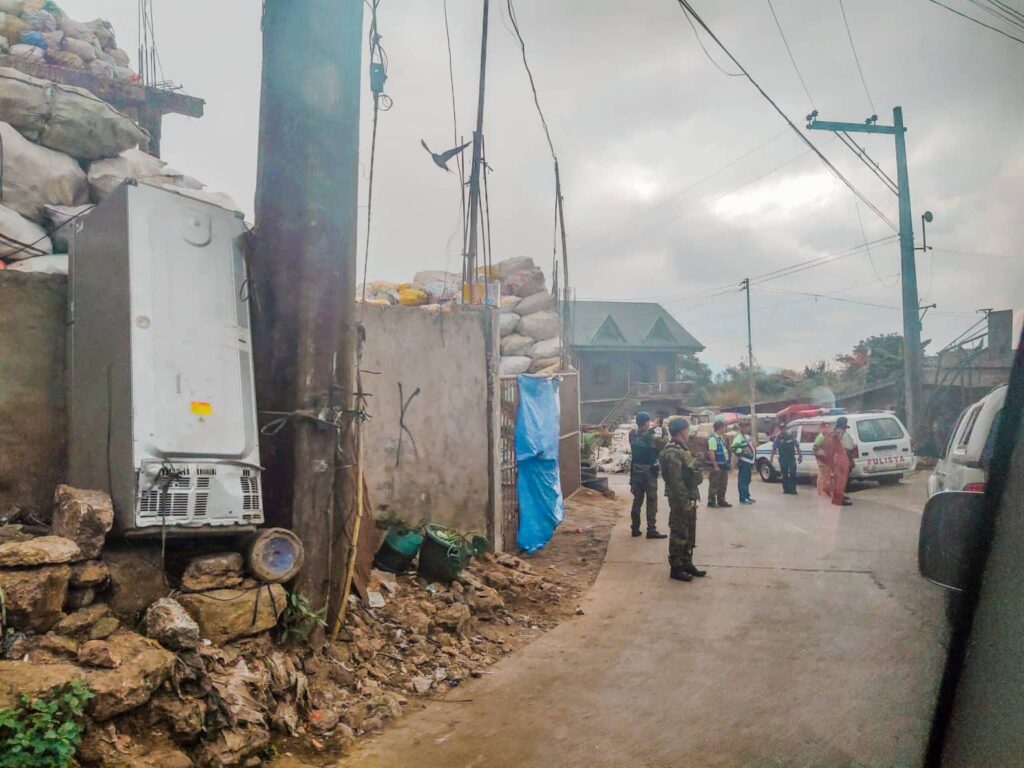
I can’t believe that there are people who are living here
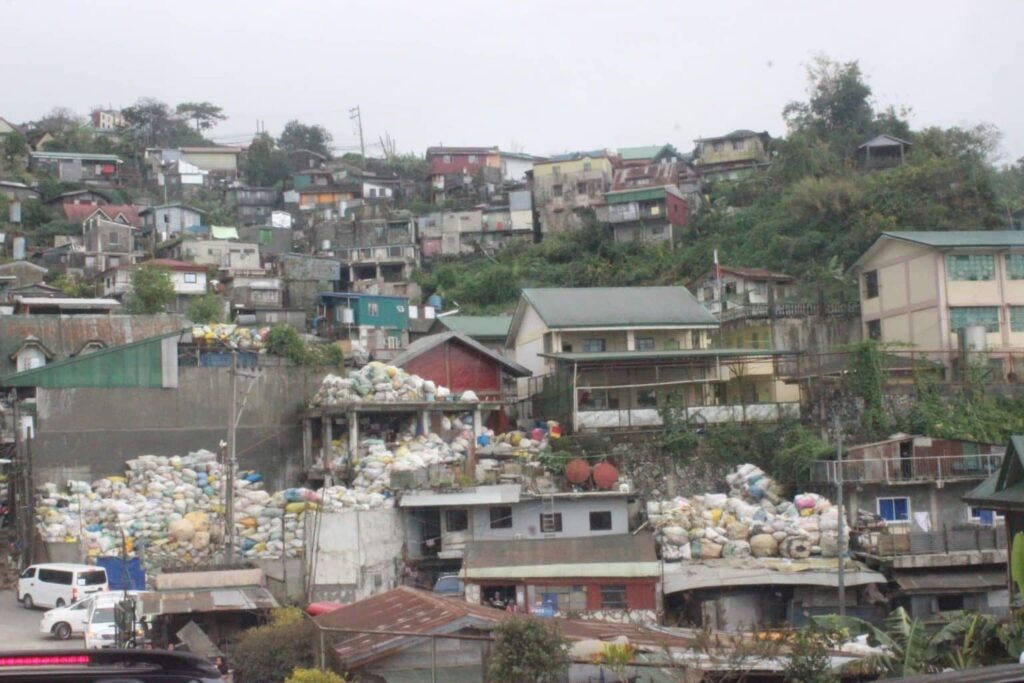
The sanitary landfill in Irisan
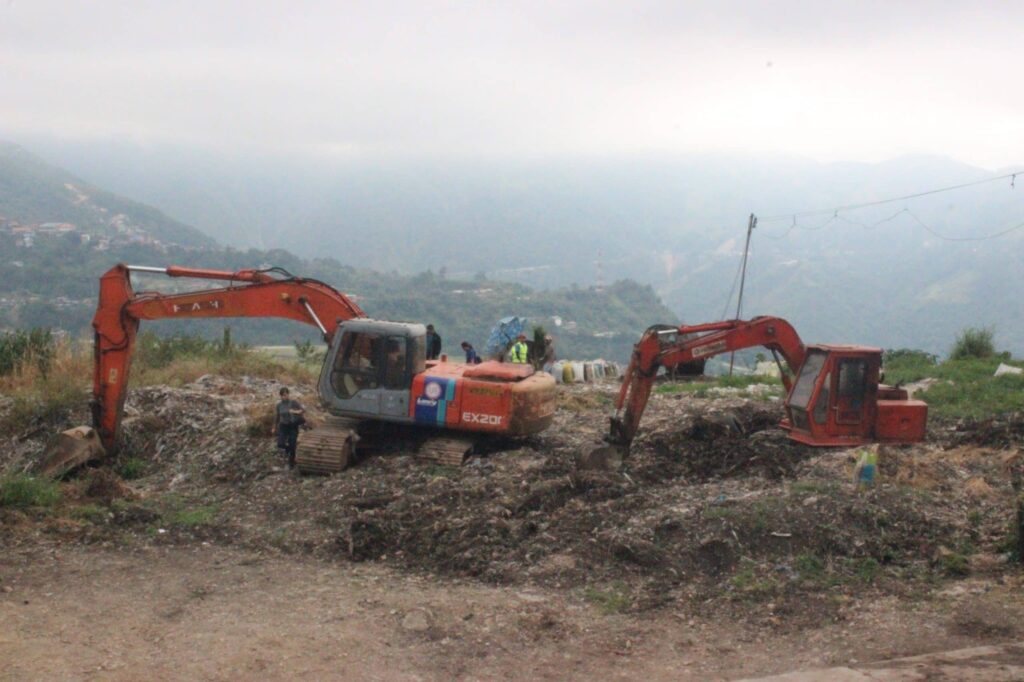
Irisan dumpsite
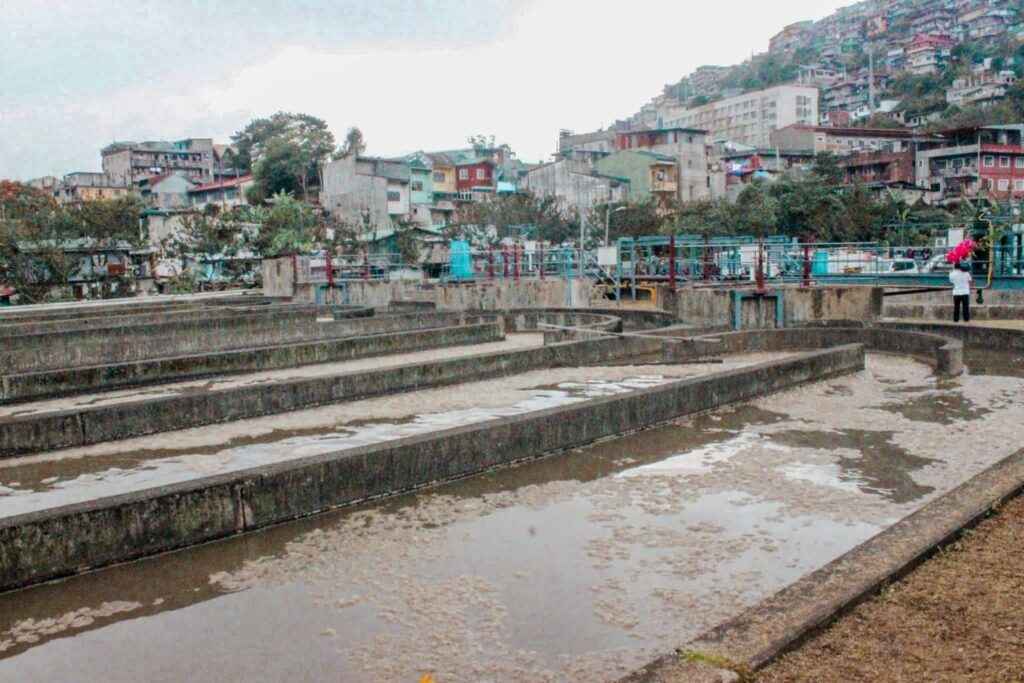
Baguio City’s sewage treatment plant
There is a glimmer of optimism in the distance. Their united efforts have shown that restoration is achievable when done correctly and when everyone is convinced of the benefits of sustainable tourism development. Department of Tourism’s present goal is to promote #SaveOurSpots and foster a more environmentally conscious tourist industry.